

Each caregiver understands the feeling of watching their little one fall, scratch a limb, or hit a temple. In those instances, sobs often fall, and the worry can seem intense for both the little one and parent. But what if there could be a wonderful way to turn these minor accidents into opportunities for smiles and relief? Step into The World of Hurt of custom kids' dressings, where vibrant colors, exciting characters, and creative designs render mending a little less daunting and a lot more enjoyable.
Band-aids have transformed from their original, functional roots into exciting tools that not only protect wounds but also offer happiness to the restoration process. With the power to divert and comfort, these specially designed bandages can transform frowns into smiles while relieving the discomfort out of minor injuries. In this article, we will explore 10 imaginative ways custom kids' bandages can change tears into smiles, as well as provide important guidance on choosing the right bandage material for sensitive skin, maintaining cuts sterile, and creating a engaging and learning experience around first aid. Join us as we explore into the delight of bandages and discover how they can turn each boo-boo a bit better.
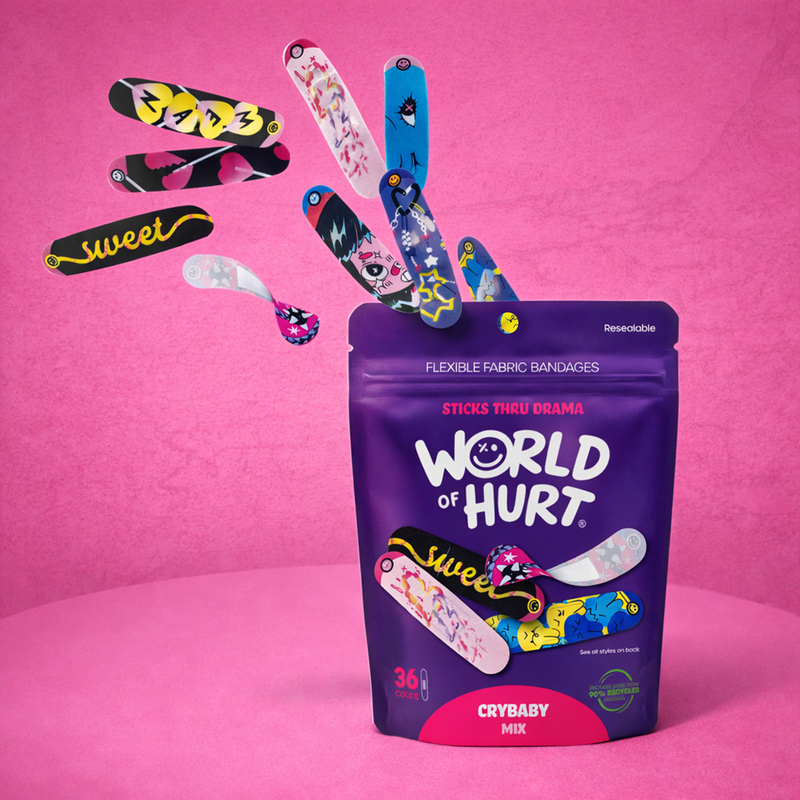
Imaginative Ways for Personalized Kids' Bandages
Tailor-Made kids' bandages are more than just a means for healing; they can also serve as a fun and engaging part of a child's recovery process. One creative use is to engage children in selecting their preferred designs, whether it shows superheroes, animals, or popular cartoon characters. This involvement can shift their perception of minor injuries, converting moments of fright into opportunities for excitement and joy, ultimately encouraging them to wear their bandages with enthusiasm.
Moreover, custom bandages can function as educational tools. Parents can use them to educate children about first aid and the value of caring for their bodies. For instance, a bandage displaying a fun fact about healing or the human body can ignite curiosity and dialogues, making wound care a teaching moment rather than a dreaded chore. This aids children grasp the healing process, fostering a sense of responsibility about their health.
Finally, tailor-made bandages offer a unique way to promote creativity and expression. Kids can be motivated to decorate plain bandages with washable markers or stickers, individualizing their healing experience. This activity not only redirects them from their discomfort but also allows them to reveal their artistic side, making the healing process a vibrant and joyous adventure. By integrating creativity into recovery, these tailor-made bandages can truly turn tears into smiles.
Vital First-Aid Guidelines for Caregivers
When a kid gets a wound, the initial thing is to remain composed and comfort them that all will be alright. Your behavior can deeply impact how they react to the situation. If you seem frantic or distressed, they may get upset. Instead, use a gentle voice and encourage them to take big breaths. This promotes a calm environment that helps reduce nervousness.
Check that you have a properly stocked first-aid kit at home and in the diaper bag. Add items like band-aids, antiseptic wipes, and gauze pads. It can be beneficial to include your little one in checking the contents, so they learn about the supplies. This not only equips them for minor injuries but also imparts key skills in self-care. Remember to check the shelf life regularly and replenish any necessities that are in short supply.
When treating a wound, clean it properly before applying any bandage. Start by cleaning your hands and then gently clean the wound with a soap solution. Gently dry it and apply an appropriate bandage to protect the area. Educate your kid on why dressing their injuries covered is crucial for healing, highlighting that it helps keep germs out and prevents germ growth. Choosing exciting character bandages can make the experience more fun and encourage them to keep the bandage on to replace it.
Comprehending Dressing Materials and Innovations
When choosing dressings for little ones, comprehending the components used is crucial for ensuring both comfort and efficacy. Typical materials include fabric, polymer, and rubber. Adaptable fabric dressings are perfect for active toddlers, as they stick well and flex with the skin. Plastic dressings, while waterproof and appropriate for multiple functions, can sometimes cause irritation on delicate skin types. Silicone bandages are a breakthrough, especially for sensitive complexions, providing gentle adhesion and non-painful removal.
Recent developments in dressings have led to the creation of non-allergenic options that minimize skin reactions. These bandages use materials designed to be less irritating, making them perfect for children with sensitivities. Additionally, advancements in injury treatment have introduced characteristics like antibiotic-embedded dressings, which help prevent infections while encouraging healing. Parents can feel confident knowing that these new options are efficient and designed with a child's needs in mind.
Environmentally aware parents will also be happy to see a increase in eco-friendly and sustainable bandages. These options not only emphasize the health of children but also care for the planet. Manufacturers are increasingly aware of their ecological footprint and are creating products that reduce waste. As technology continues to evolve, we can expect even more exciting innovations, such as smart bandages that change color to indicate infection, paving the way for a future where treating minor wounds is both enjoyable and efficient.